Parent Resources
Assist your Kids with Helpful Resources
Discover topics on body changes, health, and self-care through simple educational materials
Resources for 8-14

Videos

Lorem ipsum dolor
Lorem ipsum dolor
Lorem ipsum dolor
Lorem ipsum dolor
Lorem ipsum dolor
Lorem ipsum dolor

Learning Guides


Assist your kids with
helpful resources
Browse easy-to-understand resources, helpful tips, and supportive content created with teens in mind.


Resources for 15-17
Videos
Lorem ipsum dolor
Lorem ipsum dolor
Lorem ipsum dolor
Lorem ipsum dolor
Lorem ipsum dolor
Lorem ipsum dolor
Learning Guides
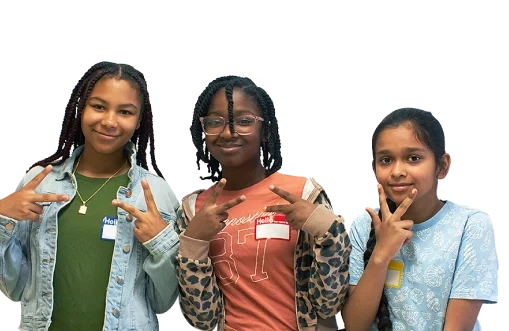

Ask a Medical Professional
Have questions about your health?
Connect with a trusted medical professional for reliable guidance, answers, and support tailored to your needs.
Frequently Asked Questions
Answers to common questions about periods, menstrual health, and period poverty.
How do I align these resources with the school curriculum?
HAGO’s educational resources are curriculum-aligned and designed to supplement provincial health and science outcomes.
How can parents, teachers, and students be better menstrual equity allies?
Help normalize conversations about menstruation, promote inclusive language, ensure access to period products, and challenge stigma when you encounter it.
How do I start conversations about menstrual equity at work or in my community?
Share evidence-based information, encourage open and respectful discussions, and advocate for accessible menstrual products and supportive policies.
How can I challenge period myths when I hear them?
Respond with accurate, evidence-based information in a respectful way and encourage others to learn from trusted health resources.
How can I best support students with a more taboo upbringing around menstruation?
Create a safe, culturally respectful environment, avoid assumptions, provide factual information, and allow students to ask questions privately if they prefer.
How can I ensure menstrual equity in my classroom?
Make period products readily available, use inclusive and evidence-based education, establish peer allies and a stigma-free classroom culture.